- Den of Geek
- Posts
- 💥 The Punisher’s Biggest Problem Is His Story Already Ended
💥 The Punisher’s Biggest Problem Is His Story Already Ended
Frank Castle may be Marvel’s most stagnant antihero, and when a character built on endless violence runs out of places to go, perhaps only silliness can save him.

Michael Ahr
May 14, 2026
Comics Edition May 14, 2026
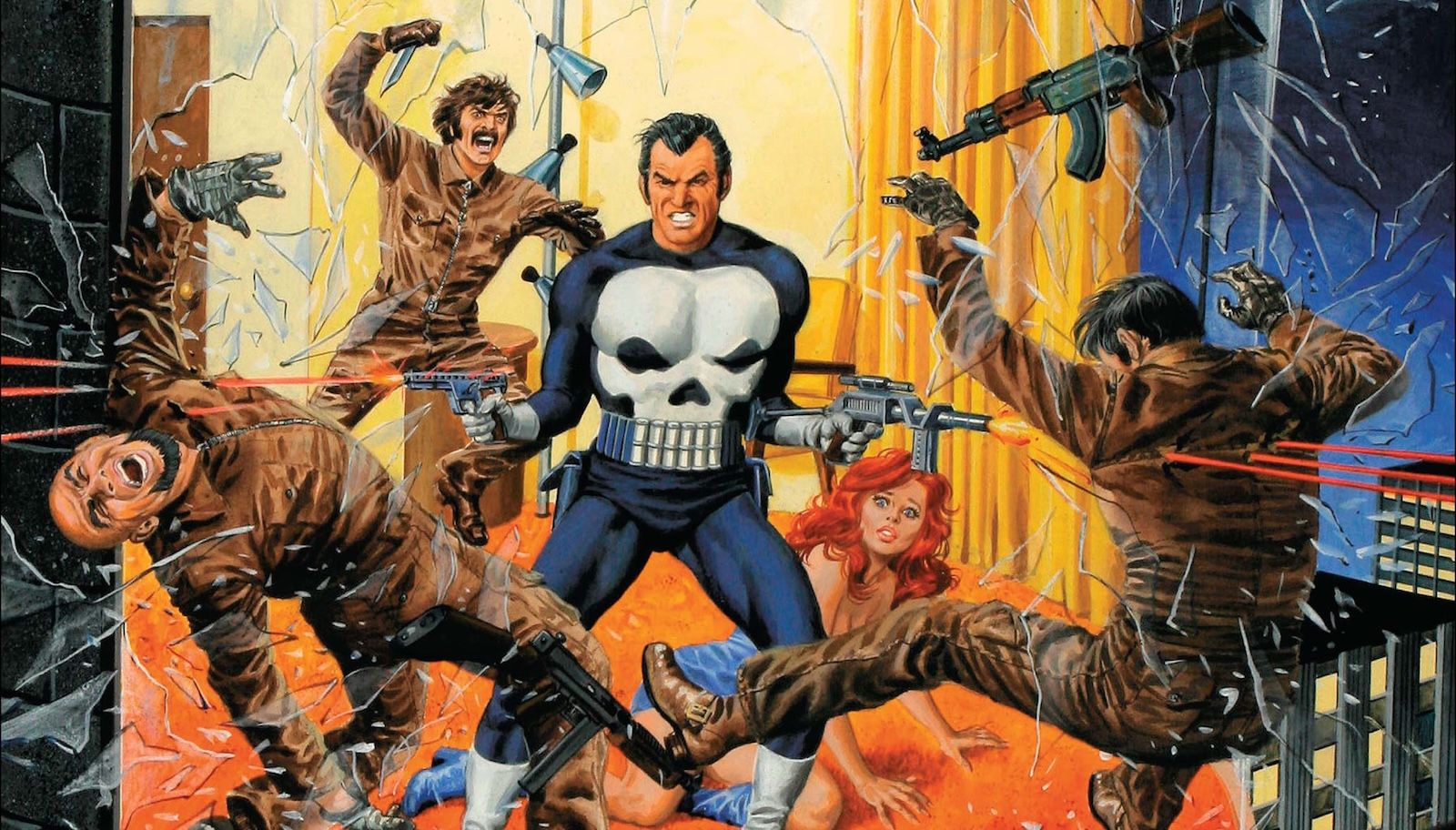
Photo: Marvel Comics
How Do You Solve a Problem Like the Punisher?
Midway through the very first Punisher story, in Amazing Spider-Man #129, a thought balloon captures a sentiment that would forever define Marvel’s new antihero. “Pitiful fool. I’ve had enough of your soul-searching,” sneers the Jackal, the supervillain who convinced Punisher to attack Spider-Man. “Your usefulness to me is over... Finished.”
The Jackal’s interest in Frank Castle may have ended with that landmark issue by Gerry Conway and Ross Andru, but the rest of pop culture continues its obsession with Frank Castle and his endless vacillating between wanton murder and soul-searching. Since his 1974 debut, Punisher has become one of Marvel’s most recognizable, and bankable, characters. He regularly carries multiple ongoing comics, he’s been the focus of three feature films, two seasons of his own series, and most recently, a special on Disney+.
And yet, in that time, Frank Castle hasn’t developed much beyond what we saw in Amazing Spider-Man #129: a guy who shoots first and asks surface-level moral questions later.
In fact, I’d go so far as to say that the Punisher’s story ended in 1975. That’s when Marvel Preview #2 released, in which Conway and artist Tony DeZuniga established the origin and motivation of Frank Castle. Presented in sober black & white, with grey washes for texture, the origin reveals that Castle was a highly-trained special operations soldier during the Vietnam War, whose return to civilian life ends when a family trip to the woods interrupts a mob execution. Since the death of his wife and children, Castle has devoted his life to fighting a war on crime, a war he pauses occasionally to mourn his family and monologue about the cost of his vendetta.
And that’s it. Every main Punisher story just repeats those beats, sometimes keeping it within the context of Marvel superheroes, as in Mike Baron’s run in the 1990s, and sometimes amping up the nastiness, as with Garth Ennis’ acclaimed take. But with the exception of Ennis’ revelation that Frank was a psychopath who didn’t particularly care about his family, very little new has been said about the character.
Frank’s hardly alone in this respect. Stan Lee famously talked about the illusion of change in superhero comics, how we want to think that Spider-Man’s learned to cope with his responsibility by the end of the story, but we need him fretting about Aunt May’s medicine and his latest assignment from J.J.J. by the time Doc Ock attacks in the next issue. But heroes like Spider-Man, Superman and Batman are foundational superhero archetypes because they have enough depth to function as both storytelling machines and characters worthy of exploration. The Punisher does not.
Instead, the Punisher persists despite his flatness because the fans demand it. Again, Frank’s not alone here. In a world driven by story demands, Scott Summers would still be in Alaska with his wife and son, Hal Jordan would still be terrorizing the galaxy as Parallax, and Barry Allen’s race would have ended. But because fan expectation and editorial fiat trumps storytelling, favorites will always be around, even if we keep piling on new X-Men, Green Lanterns, and Flashes.
However, the problem is more pronounced with Frank Castle because of the fundamental nihilism of his character. The Punisher was born in violence and commits violence. Moreover, his morality suggests that redemption comes only through protecting the innocent by killing the guilty. All superhero power fantasies risk becoming fascist apologia, but Frank Castle manifests Carl Schmitt’s friend/enemy distinction. The longer his story continues, the more that worldview becomes normalized. Need proof? Just look at the way real cops have adopted his death’s head logo as a warning against those they deem enemies.
So, what do we do about Frank? My very unpopular answer is to let Frank be silly. Occasionally, writers have pushed Frank Castle to absurd extremes: having him become a Black man to hide out from the Kingpin, turning him into a Frankenstein’s monster, or making him Cosmic Ghost Rider. Let him become the leader of the Hand or an angelic assassin of demons.
I know that true Punisher fans loathe those storylines, decrying them as betrayals of the character. And they’re not wrong. But I counter that letting the Punisher story continue betrays Frank Castle as a character. We either let him die, closing the loop on his very unhappy life, or we force him to continue killing in an unwinnable war on crime: never evolving, never changing, and certainly never ending. Which is the true punishment?
— Joe George, Den of Geek contributor

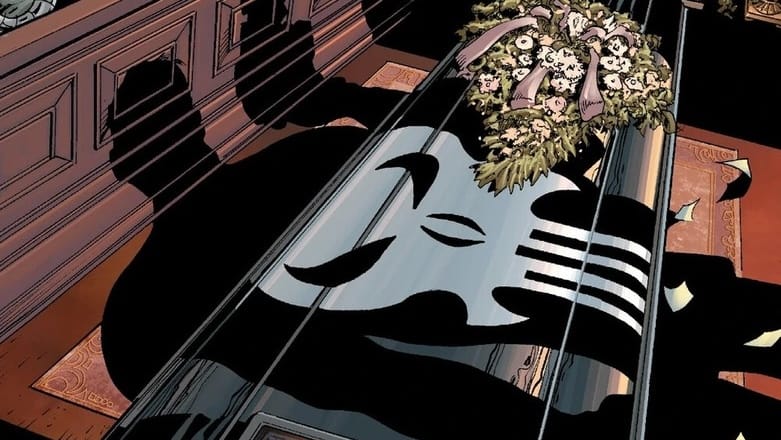
Photo: Marvel Comics
Punisher: War Journal #4 (2007)
Writer: Matt Fraction
Illustrator: Mike Deodato Jr.
Colorist: Rain Beredo
Letterer: Joe Caramagna
Few writers have managed to push Frank Castle into new territory better than Matt Fraction, whose mid-2000s run on Punisher: War Journal turned the Punisher into a ‘roided out, self-righteous lunatic. Aided by Ariel Olivetti’s painterly beefcake, all wild-eyes and bulging muscles, War Journal gave Frank a platform for his manifesto and invited readers to laugh at his protests.
Unsurprisingly, a lot of readers hated War Journal, and thus editors and writers tend to ignore its plot points. But that misses out on one of the purest Punisher stories, “Small Wake for a Tall Man,” in which Marvel’s minor villains assemble in the Bar With No Name to eulogize Stilt Man. While Frank narrates the issue, in his usual purple prose, he’s missing from the action. Instead, we watch as guys like the Eel, Grizzly, and a random Doombot share stories about Stilt Man, a guy with really long mechanical legs.
Shortly after Spider-Man arrives to retrieve the more sympathetic baddies Prowler and Puma, the villains decide to rap up. They ask the bartender for one more round, but notice he’s missing. In his place lies a slip of paper, baring only the Punisher logo. The comic ends with Frank walking away from the explosion, describing it as a “celebration.”
Even though Punisher: War Journal #4 features pencils from Mike Deodatto Jr., the canonical Marvel artist of the mid-2000s, its events have largely been ignored. All those dead bad guys got better, and Frank’s back to being a tolerated, if not respected, member of the superhero community. But for one brief moment, Marvel let the Punisher be the goofy crazy person he’s supposed to be.

DEN OF GEEK MAGAZINE
The Ultimate Collector’s Item
For more than a decade, Den of Geek magazine has been a staple at New York Comic Con and San Diego Comic-Con as well as an elusive collector’s item in comic shops across the country.
Now we’re ready to bring the printed hidden treasure straight to your door.
We’re opening up a waitlist to see just how many of our most dedicated readers are ready to go all-in on a print edition. If that sounds like you, hit the button below. You’ll be taken to a form where you can be counted among the fans helping make this happen!
FROM OUR PARTNERS AT DEEL
Hiring in 8 countries shouldn't require 8 different processes

This guide from Deel breaks down how to build one global hiring system. You’ll learn about assessment frameworks that scale, how to do headcount planning across regions, and even intake processes that work everywhere. As HR pros know, hiring in one country is hard enough. So let this free global hiring guide give you the tools you need to avoid global hiring headaches.

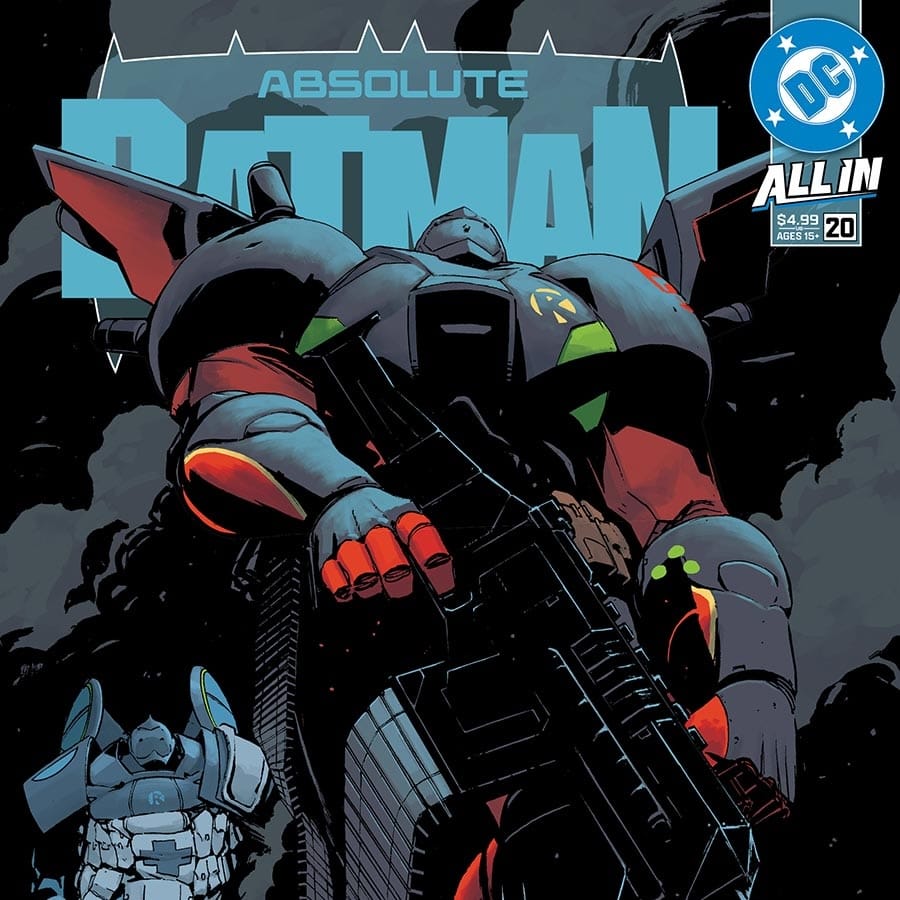 | Absolute Batman #20 (DC Comics) Writer: Scott Snyder |
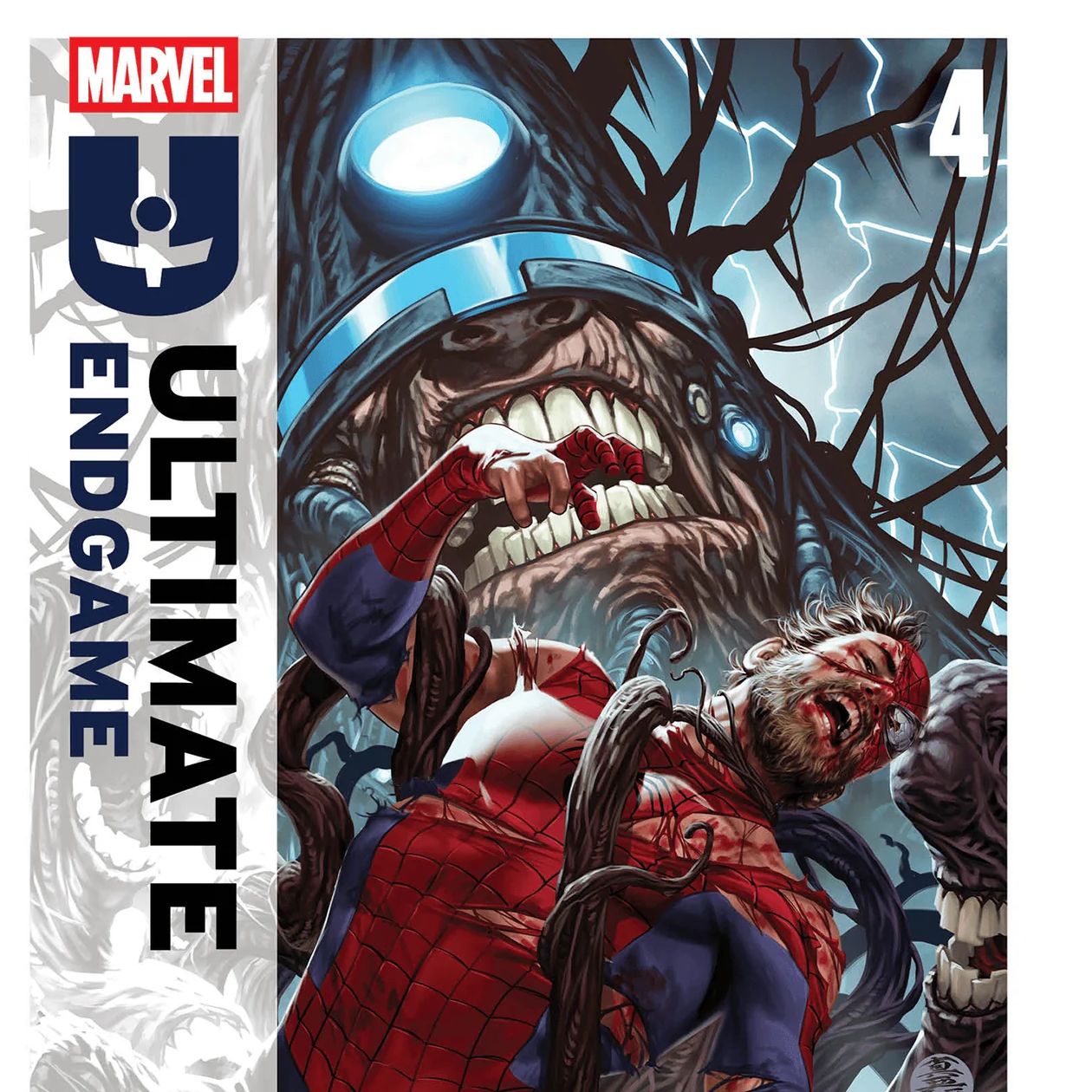 | Ultimate Endgame #4 (Marvel Comics) Writer: Deniz Camp |
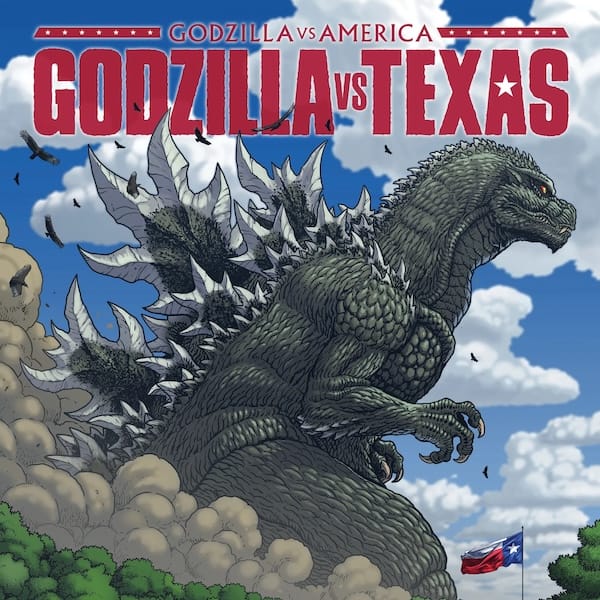 | Godzilla vs. America: Texas #1 (IDW Publishing)Writers and Artists: Matt Frank, Joe Eisma, and Devin Kraft |
MORE COMICS NEWS
🌙 In answer to DC’s successful Absolute Universe, Marvel introduces the Midnight Universe, a darker take on their most important heroes.
💥 The long-awaited fight between Battle Beast and Conquest is finally hitting shelves this June in Invincible Universe: Battle Beast Issue #10.
🎥 Tom Hardy’s Bane is so ingrained in fan consciousness that it may supplant Bane’s comic origins in the upcoming Bane/Deathstroke movie.
皿 Daredevil: Born Again season 3 promises to adapt one of best stories from the comics — Matt Murdock’s prison arc.
Was this forwarded to you? We’re a pop culture website that prides itself on having content produced by experts, for fans. Because we are fans!
It’s free to subscribe.